Fabric News, November 2026: Cotton, Trade and What Is Trending
Tighter cotton in India, dearer yarn, new trade terms with the US and EU, Europe's textile rules and the fabrics leading spring-summer 2027. What it means for your next order.
Fabric By Shal · 14 November 2026 · 4 min read
A lot moved in the fabric world this autumn: cotton supply, yarn costs, trade terms and new rules in Europe. Here is a short round-up of the news that matters if you buy fabric for garments, home textiles or your own label, and what it may mean for your next order. Figures come from the sources linked in each section; check them before relying on them for a big decision.
Cotton: steady prices, tighter supply
World cotton prices stayed soft through early November. The US Department of Agriculture trimmed its 2026-27 world cotton production forecast to 117.48 million bales, and prices remained subdued after the update (Fibre2Fashion).
India tells a tighter story. The Cotton Association of India quoted ICS-105 cotton at about ₹63,100 to ₹65,800 per candy on 9 November, with prices supported by strong mill demand (Cotton Association of India). Cotton Incorporated notes that Indian prices eased slightly in rupee terms as the rupee strengthened (Cotton Incorporated). Trade estimates put India's 2026-27 crop below 29 million bales against demand of more than 34 million bales, and mills have asked for a longer duty-free window to import cotton (TradingView / Moody's).
Cotton yarn has been the bigger shock. One industry report puts yarn at about ₹400 per kg in September, up from about ₹250 at the start of the year (TradingView / Moody's).
What it means for you: cotton fabric prices are more likely to firm up than fall over the next few months. If you have a summer range planned, fixing your cotton and seersucker quantities early is the safer move. Polycotton stays a good value option, since it relies less on raw cotton.
Trade: the US cools, Europe and the UK open up
Since 24 July 2026 most Indian goods entering the US carry a 10% additional duty on top of the normal rate, and Indian textile, apparel and home-furnishing exports to the US fell 9.8% to about US$4.0 billion between April and August (Yahoo Finance, Media Selangor). Garment makers are now selling more to the UAE, the UK and the European Union.
The India-EU trade agreement is the big hope. Once it comes into force, expected in about a year, the EU removes its duty of around 12% on Indian textiles and clothing (Yahoo Finance).
What it means for you: if you sell abroad, Europe and the UK are the markets to watch. Exporters shifting away from the US are also buying more fabric for European orders, so popular qualities can sell out faster.
Europe's new rules for textiles
If you sell into Europe, three rules are worth knowing (Lexology, CMS, FashionUnited):
- No destroying unsold clothes: since 19 July 2026, large companies may not destroy unsold clothing, accessories and footwear.
- Honest green claims: since 27 September 2026, words like "eco" or "sustainable" need recognised, independently checked certification behind them.
- Producer responsibility: every EU country must run a scheme by April 2028 that makes brands pay towards collecting and recycling textiles.
What it means for you: buy close to what you will sell, keep a record of fibre content, and only call a fabric sustainable when you can prove it. Our product pages list composition, GSM and width for every fabric.
What is trending for spring-summer 2027
The early fabric fairs point to light, natural and textured cloth. At Milano Unica, seersucker, poplins in natural fibres and cotton and linen twills stood out (FashionUnited). Munich Fabric Start reported textured surfaces and shades of yellow and orange leading the colour story (FashionUnited).
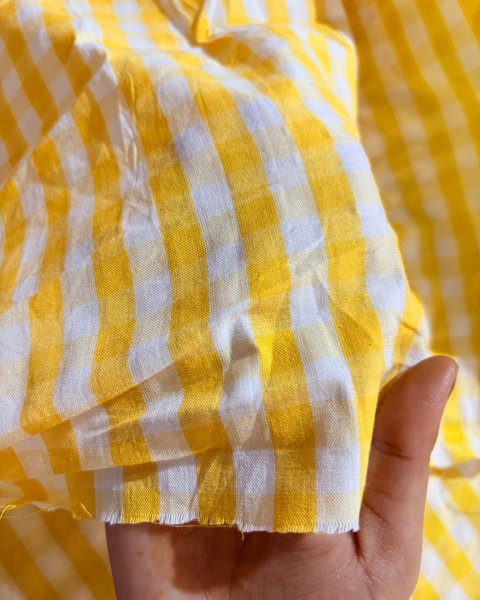
Seersucker's woven puckers fit both trends: texture you can see, in a cloth that stays light and cool. Checks and stripes in warm colours sit right alongside. Browse our seersucker and cotton ranges, or read Seersucker vs Gingham: What's the Difference? to choose between them.
In brief
- Lenzing is investing €27 million in specialty fibres for nonwovens in the US (Fibre2Fashion).
- Trident approved a ₹4,650 crore expansion and modernisation plan across yarn, sheeting and paper (Fibre2Fashion).
- ITMA Asia + CITME, the large textile machinery show, runs from 20 to 24 November.
Planning a summer order?
Order free swatches to feel the cloth first; you only pay the shipping. For larger quantities, ask us for bulk pricing and lead times on WhatsApp or through an enquiry.
- Industry news
- Cotton
- Trends